
Coaches Trailside Webinar: Hosted by Competitive Cyclist
Watch the recording of our last webinar, focused on trailside repairs, such as the essentials to carry on a day-to-day […]

What happens when winning stops feeling like an achievement and starts feeling like an expectation? For young athletes, a breakthrough performance can bring unexpected pressure to keep proving themselves. The challenge for coaches and parents is to celebrate success while making sure kids know they don’t have to keep winning to belong.
Photo by Samantha Jones, Idaho Cycling League
So should making the podium for the first time or realizing that all those hours on the bike have made you faster. But sometimes a great result quietly changes an athlete’s relationship with racing. Before the breakthrough, they may have gone into a race wondering what would happen. Afterwards, they can feel like they have something to defend. Instead of thinking, “Let’s see how I do today,” they’re thinking, “I won last time, so I need to win again.”
That pressure doesn’t necessarily come from coaches or parents. In fact, it can happen even when every adult around an athlete is telling them, “We don’t care where you finish.” Once a young person has experienced being at the front of the field, they may begin to see that result as the standard they now have to maintain. A result that initially builds confidence can gradually become an expectation, and racing can start to feel less like something they love and more like a test they have to keep passing.
There is a big difference between thinking, “I won a race” and “I’m a winner.” When results become tangled up with identity, losing can feel like evidence that an athlete is no longer as good as everyone thought they were.
Mountain bike racing makes that particularly tough because athletes can’t completely control the outcome. Fitness and skill matter, but so do mechanicals, crashes, course conditions, illness, growth, weather, and the simple fact that other kids are getting faster too. A student-athlete can prepare well, ride a fantastic race and still finish several places lower than they did two weeks earlier.
Our job isn’t to convince competitive kids that results don’t matter. Wanting to win is okay. Instead, we can help athletes develop a definition of success that doesn’t disappear when somebody else crosses the finish line first.
Before a race, ask an athlete what would make it a great race even if they don’t get the result they’re hoping for. Maybe it’s riding a technical feature they walked last season, pacing themselves better, remembering to fuel, staying positive after being passed, or simply finishing knowing they gave what they had that day.
They can still want the podium. We’re just giving them more than one way to succeed. If the only successful outcome is “finish first,” there is exactly one result that will make them happy. When success also includes things they can control, a finishing position becomes one part of the experience rather than the verdict on whether they had a good race.
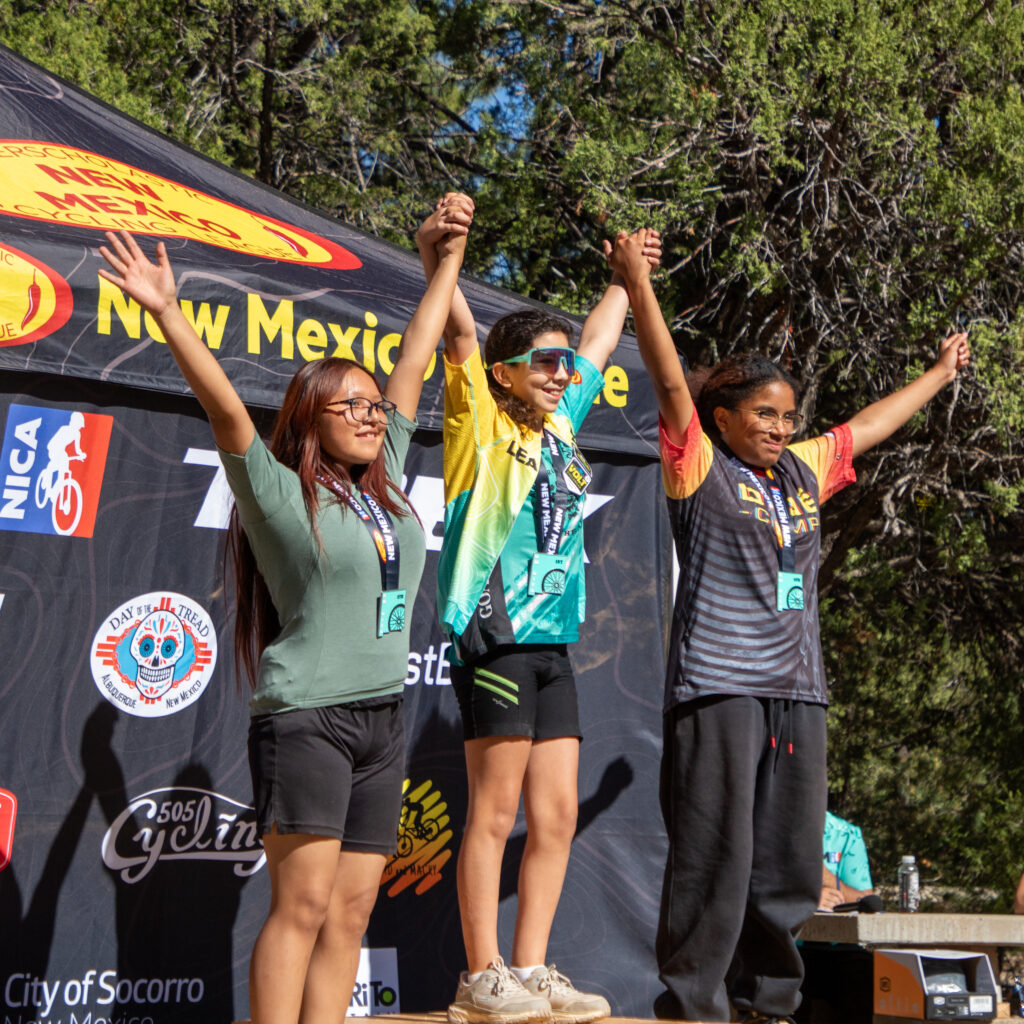
Photo by New Mexico Cycling League
When an athlete gets that breakthrough result, celebrate it. Take the photo, give them the high five, and let them be proud. But think about what you emphasize afterwards. Instead of only talking about where they finished, ask, “What are you most proud of from that race?” This directs their attention toward the decisions, skills, and effort that got them there.
Then, at the next race, try not to make the previous result the benchmark. “Think you can win again?” or “Another podium today!” may sound encouraging, but to an athlete already feeling pressure, they can sound like expectations. “What do you want to work on today?” gives them something they can actually control.
It’s also worth thinking about what gets celebrated across the whole team. Podiums naturally get photos, cheers, and attention, but do we notice the athlete who finished 37th after riding the most technically confident race of their life? If we say courage, improvement, sportsmanship, and perseverance matter, athletes need to see us celebrating those things too.
When a kid who hoped to win finishes fifth and is devastated, we don’t need to immediately tell them, “It doesn’t matter.” It mattered to them. They’re allowed to be disappointed.
We can acknowledge that without allowing a result to define them: “I know you really wanted a different result today. It’s okay to be disappointed. When you’re ready, let’s talk about your race.” Give them some space, then help them identify what went well, what they learned, and what they want to take forward. Most importantly, make sure nothing about your relationship with that athlete changes. The coach who was excited to see them before they won should be just as excited to see them after they finish in 10th place.
Pay attention if an athlete who once loved racing becomes increasingly anxious before races, obsessed with results, devastated by small mistakes, or starts talking about quitting. Instead of trying to motivate them more, get curious. Ask them how racing feels right now. They may need different goals, less racing, or simply some time where riding with their friends gets to be the most important part again.
Winning can be an incredible part of youth sport, and we should celebrate it. But our ultimate measure of success isn’t how many podiums a student-athlete collects before they graduate. It’s whether they leave us with a relationship with bikes, challenge, and community that they want to carry into adulthood.
Celebrate the win, but make sure they know they never have to keep winning to belong.

Photo by Val Visuals, South Carolina Cycling League
NICA partners help kids gain access to a thriving and engaged cycling community.

Watch the recording of our last webinar, focused on trailside repairs, such as the essentials to carry on a day-to-day […]

When winning starts to feel like an expectation, the joy of racing can turn into pressure. Here’s how coaches can […]

Stop answering the same parent questions over and over. A Team Family Guidebook gives families one easy place to find […]

In this month’s The Trailhead article, we look at the power of visible female leadership and coaches from diverse backgrounds, […]