
Who Leads Matters
In this month’s The Trailhead article, we look at the power of visible female leadership and coaches from diverse backgrounds, […]

What do your student-athletes think you care most about: whether they land atop a podium or whether they grow as a rider and as a person over the course of the season? Are you measuring success by comparing athletes to each other or by looking at each individual’s earlier self? Explore the benefits of “mastery climates” and the pitfalls of the alternative.
Is your bike team chasing podiums, or is it chasing progress? After races, are you talking about what place an athlete got, or are you reflecting on the experience and reached or un-reached goals? It’s easy and exciting to react to race standings, but making that the primary measure of success can create a culture of comparison, where beating others is overemphasized and athletes are judged by how they perform in relation to others. This can lead to burnout of top riders and discouragement for riders not on or near the podium. To build a sustainable, truly impactful program where all athletes can thrive and develop, teams should focus on creating a climate of mastery— a team culture that prioritizes intrinsic motivation, personal growth, and skill progression over peer comparison.
In a comparison climate, goals are typically outcome-based, with performance being measured against the performance and abilities of others. Coaches and/or student athletes focus efforts on athletes besting fellow athletes—reaching the top of the podium, getting more points, being the best trackstander or climber on the team. Motivations are usually extrinsic (driven by rewards, avoidance of punishment, or the opinions of others). Success is measured by showing superior ability. The primary goal is winning, and losing equals failure.
Does your team have a comparison climate? If so, it might look like this:
“Comparison is the thief of joy.” –Theodore Roosevelt
A flower does not think of competing with the flower next to it, it just blooms.
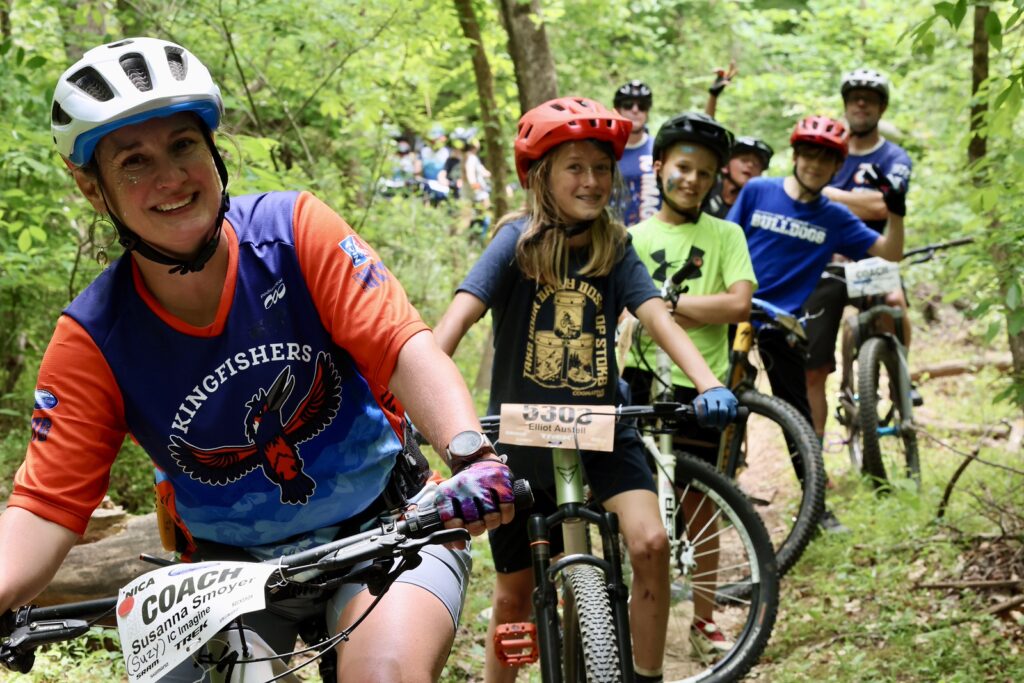
In contrast, a mastery climate is one that focuses on personal growth and improvement and efforts measured by development of the individual athlete in relation to their own abilities rather than others’. Success is defined by progress and achieving personal goals. Motivation is intrinsic, and other athletes are viewed as peers to cheer on and learn from.
With relation to NICA teams and youth mountain biking, the concept of mastery is supported by teaching fundamental skills and then guiding athletes in the pursuit of continually building upon those skills and applying them to their own goals and interests. Instead of comparing results to others, achievement might come in the form of an athlete beating their personal best in a time trial, clearing a tough rock garden, learning to hop a log, or finishing their first race.
Here are some ways to cultivate a climate of mastery on your team:
There is nothing noble in being superior to your fellow man; true nobility is being superior to your former self.
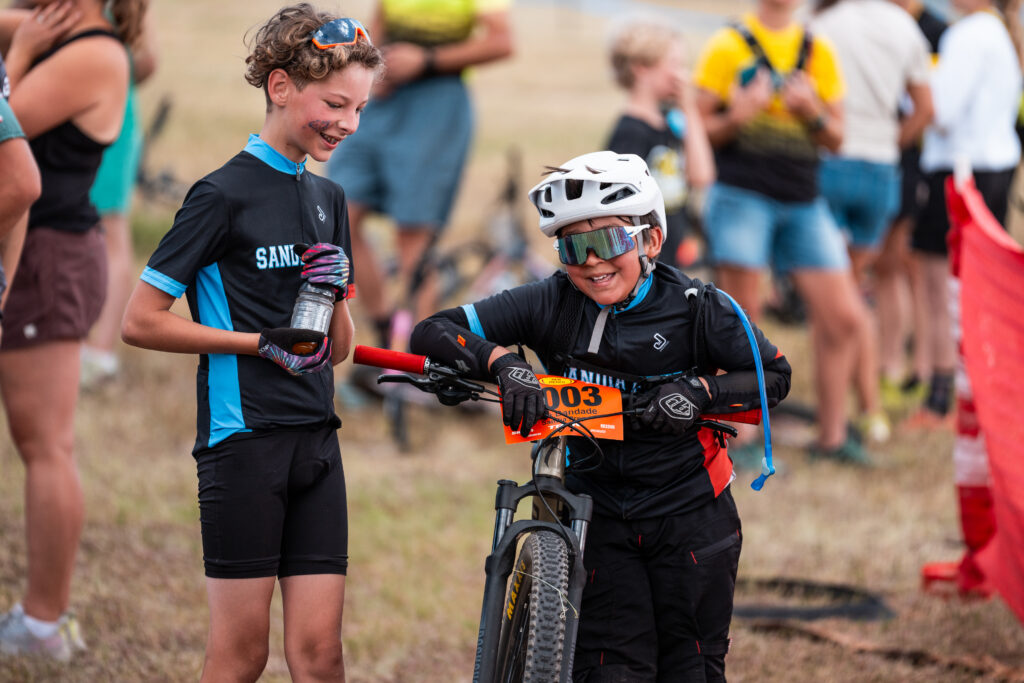
Ultimately, it’s absolutely okay to celebrate wins and podiums, but remind athletes that even those are the end result of skills mastery combined with fitness and strategy. The important takeaway isn’t that they beat someone else but that they put in the effort to became a better rider. They got on the podium because they did the things that they needed to do to improve themselves enough to earn that position, just as other riders can do to reach their own finish lines. Creating a climate of mastery will build your team exponentially, by allowing every individual rider to become better.
To read more about this topic, see the PHE America article Creating a Mastery Climate in High School Athletics.
This content was authored by NICA’s coach education team. NICA’s comprehensive coach education program provides new and existing coaches with the high-quality training and resources they need to be confident, competent, and empowered leaders on their youth mountain bike teams. NICA coaches not only create amazing experiences for student-athletes, they create a foundation for building healthy mountain bike communities. NICA coaches change lives!
COACH EDUCATION | PIT ZONE LOGIN | COACH REQUIREMENTS | COACH HELP DESK
NICA partners help kids gain access to a thriving and engaged cycling community.

NICA partners help kids gain access to a thriving and engaged cycling community.
In this month’s The Trailhead article, we look at the power of visible female leadership and coaches from diverse backgrounds, […]

The 2026 NICA Regional Events are coming! Time for your team to prepare! For most who will be attending, it’s […]

This spring, we partnered with Rudy Project for another Local Leaders Giveaway. One of our winners was Rebekah from North […]

IMBA has created a new course to help NICA coaches learn how to turn their passion for mountain biking into […]